



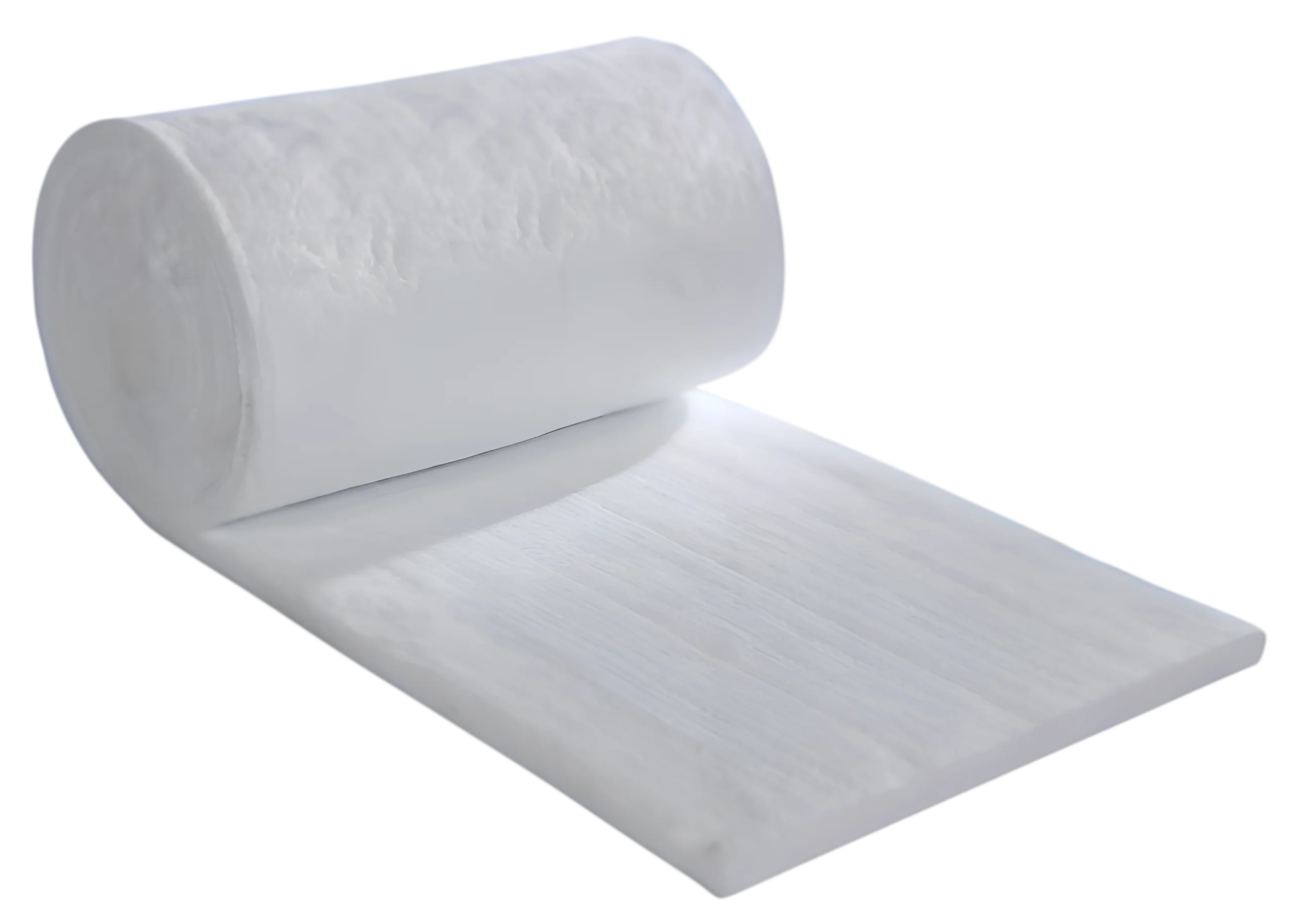
Ceramic Fiber Insulation Blanket
Description
Ceramic fiber insulation blanket for kilns
Needled alumina-silica fiber blanket for the thermal insulation of kilns and dryers. Send us temperature grade, density, thickness and quantity for a fast quotation.
Ceramic fiber blanket for kiln insulation
Ceramic fiber blanket is a light, flexible insulation made of alumina-silica fibers, from kaolin, alumina and silica raw materials. The fibers are needled into a dense, interlaced network that gives the blanket strength, makes it easy to cut and install and keeps heat losses low at high temperature.
In ceramic and sanitaryware plants it insulates kilns and dryers: linings and back-up insulation, kiln cars, door and burner seals, expansion joints.
Why buy ceramic fiber blanket from Atlas Trading
- Ceramic Fiber Insulation Blanket: we check your code before quoting
- Needled alumina-silica blanket for kilns and dryers
- Tell us grade, density, thickness and roll size: we quote the matching blanket
- Competitive prices
- Kiln and dryer spare parts from one supplier
- Over 35 years in the ceramic industry
- We reply in English, Spanish, French and Portuguese – worldwide shipping
What to specify when you order
| Data | What to tell us |
|---|---|
| Temperature grade | The grade of your current blanket – for example 1260 °C, the standard grade – or the maximum working temperature |
| Density | For example 96 or 128 kg/m³; higher densities are also available |
| Thickness | For example 25 or 50 mm; other sizes are also available |
| Roll size | Width and length, or the area to insulate |
| Use | Where the blanket works in the kiln or dryer |
| Quantity | Number of rolls or m² |
Safe handling
Handle ceramic fiber following its Safety Data Sheet: avoid making dust and wear a dust mask, gloves and work clothes when you cut and install it. Ask us for the Safety Data Sheet with your quotation.
Also for sanitaryware kilns: see our sanitaryware spare parts.
Forms and grades
Ceramic fiber blanket is supplied in rolls, in different thicknesses and densities. Higher density means better mechanical strength and lower heat losses; the temperature grade must be above the working temperature of the area to insulate, with a safety margin. Higher temperature grades are used close to the hot face, standard grades for back-up insulation.
For installation, cut the blanket with a sharp knife, compress the joints slightly and stagger the joints of overlapping layers so that they do not line up; fix the blanket with anchors or pins suitable for the temperature. Wear gloves, long sleeves and a dust mask when cutting.
Tell us the application, the working temperature and the thickness you need, and we propose the right blanket.
Frequently asked questions
What is ceramic fiber blanket made of?
Alumina-silica fibers, made from kaolin, alumina and silica, needled into a flexible blanket.
Where is it used in ceramic plants?
For the thermal insulation of kilns and dryers: linings and back-up insulation, kiln cars, door and burner seals, expansion joints.
Which temperature grade do I need?
It depends on the maximum temperature where the blanket works. Tell us the grade of your current blanket or the working temperature and we quote the right grade.
Why is the blanket needled?
Needling interlaces the fibers into a dense network: the blanket is stronger, easier to handle and insulates better.
How should ceramic fiber be handled?
Following its Safety Data Sheet: avoid making dust and wear a dust mask, gloves and work clothes when you cut and install it.
Do you supply other kiln and dryer spare parts?
Yes: see our kiln and dryer spare parts.
What do you need to quote ceramic fiber blanket?
Temperature grade, density, thickness, roll size and quantity – or the data of the blanket you use today.
Do you ship worldwide?
Yes. We supply customers worldwide and reply in English, Spanish, French and Portuguese.
See the full range of kiln and dryer spare parts or request a quote.